Planning
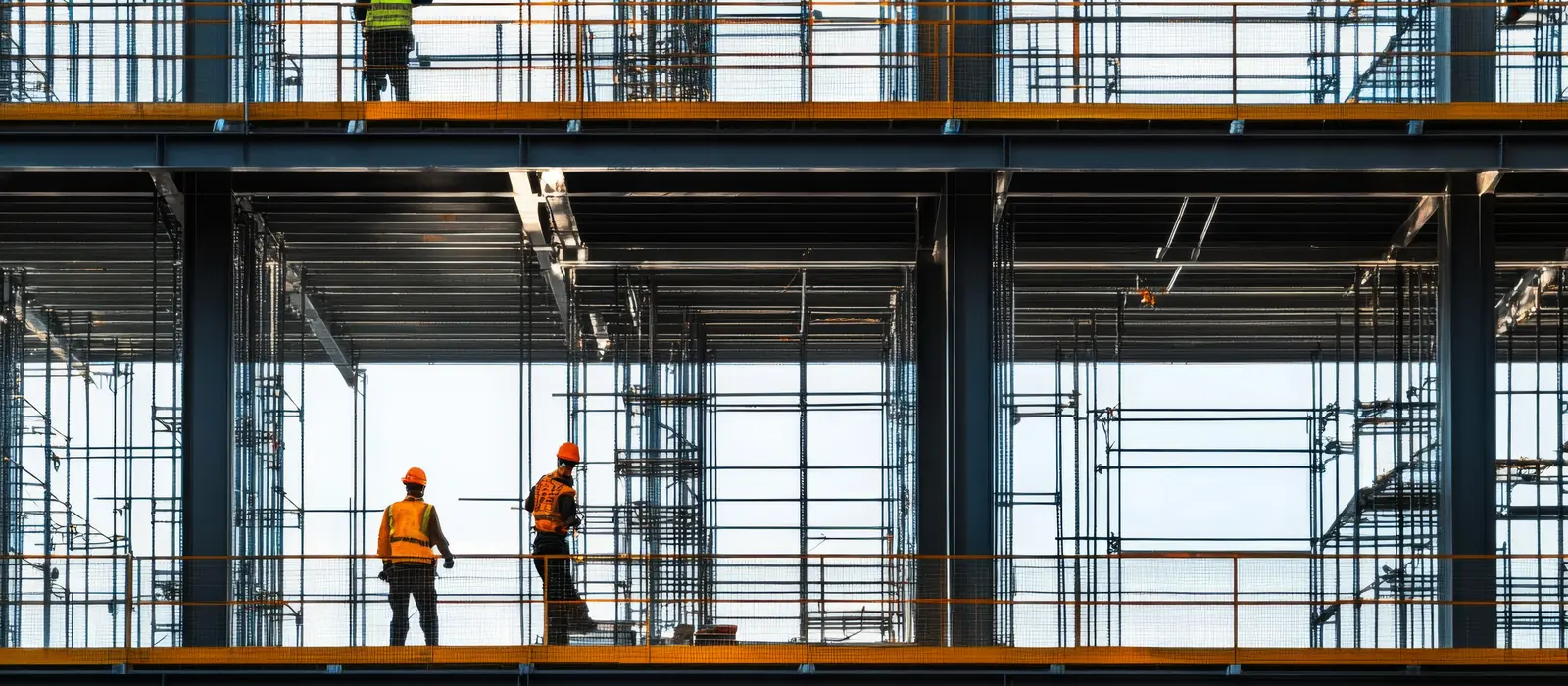
Good construction starts before the first trade arrives. Planning includes reviewing the documents for constructability, preparing a realistic schedule, procuring materials with adequate lead time, and organizing the site. Paul reviews pre-construction records, schedules and procurement logs to see whether the project was set up to succeed, and whether problems that later developed were foreseeable from the start.
Implementation
Implementation is the day-to-day management of the work: updating the schedule, coordinating trades, managing access and logistics, holding meetings, and responding to issues as they arise. Paul looks at meeting minutes, look-ahead schedules and daily reports to see how the project was actually run and how the contractor responded when conditions changed.
Project Administration
| Administrative process | What Paul reviews |
|---|---|
| Submittals | Whether products and details were submitted, reviewed and approved before installation |
| RFIs | Whether questions were raised promptly and answers followed |
| Change orders | Whether changes were documented, priced and approved before or as the work proceeded |
| Pay applications | Whether billing tracked actual progress |
| Close-out | Punch lists, warranties, manuals and as-built records |
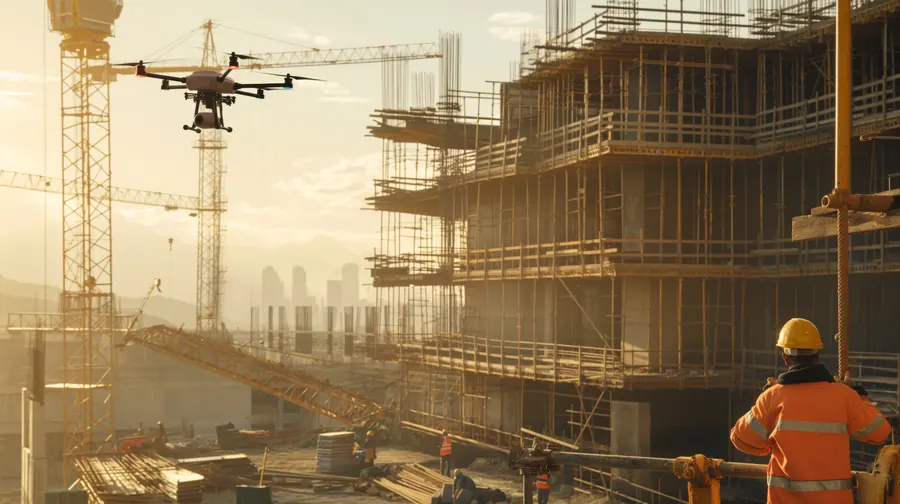
Weak administration often leaves a record that makes it difficult for a contractor to show what was agreed, and those gaps can be as significant as problems in the work.
Changes and Their Management
Changes are inevitable on construction projects; how they are managed varies. Disputes arise when work proceeds on verbal direction, when changes are not priced or approved, or when the contract's change procedure is not followed. Paul reviews how changes were requested, documented and approved, and how they affected the work. He does not provide schedule delay analysis, which requires a scheduling specialist, but he can describe whether management of the work was consistent with recognized practice.
Construction Managers and Owner Representatives
On some projects a construction manager or owner's representative manages the work on the owner's behalf. Their responsibilities are defined by their contracts and can differ significantly from a general contractor's. Paul reads those agreements carefully and evaluates the construction manager's conduct against its own obligations, rather than assuming it carried general contractor responsibilities. See general contractor responsibilities for comparison.
Close-Out and Turnover
Close-out is the last stage of project management and often the first stage of a dispute. Paul reviews how punch lists were developed and completed, whether warranties, manuals and as-built records were delivered, and whether the owner accepted the work. Incomplete close-out frequently leaves open questions about what was finished and who accepted it.